🔬 Diagnostics
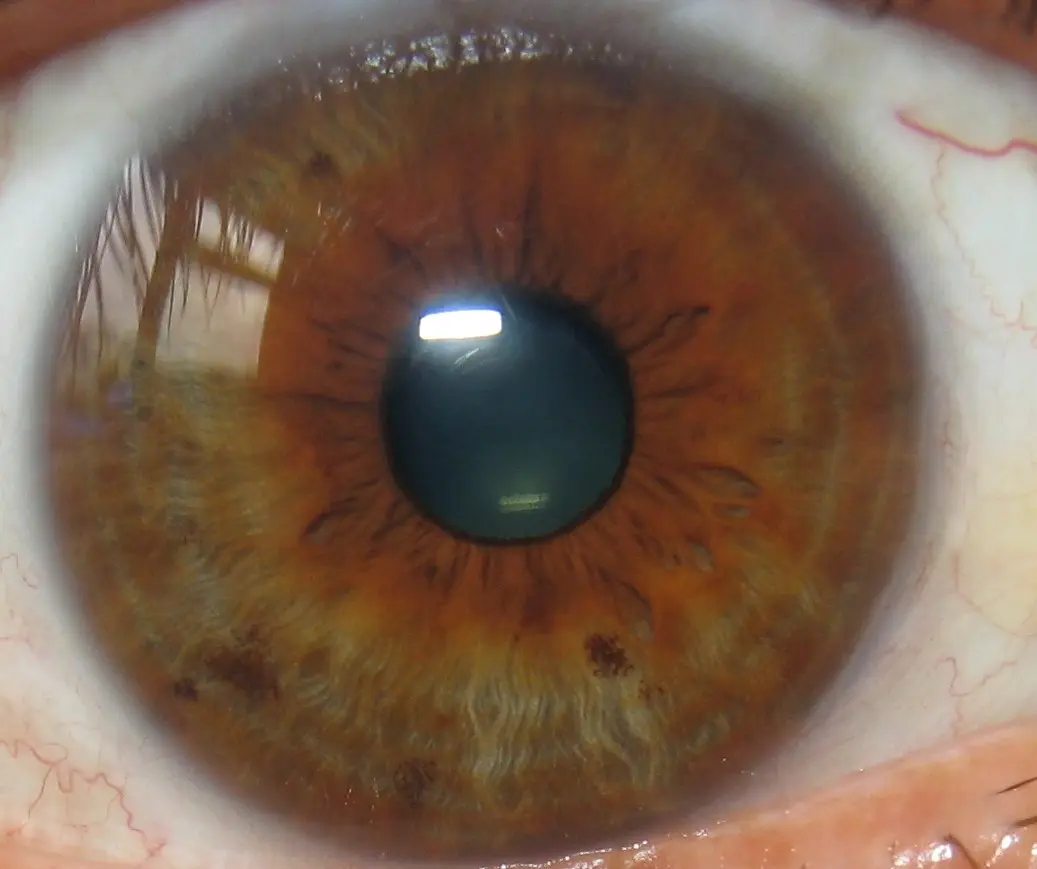
Iridology is a method of analyzing the functional state of the body by studying the structure, density, and pigmentation of the iris.
These changes reflect overloads and regulatory imbalances in the body, helping to understand not only what is happening, but also through which mechanisms it is shaped.
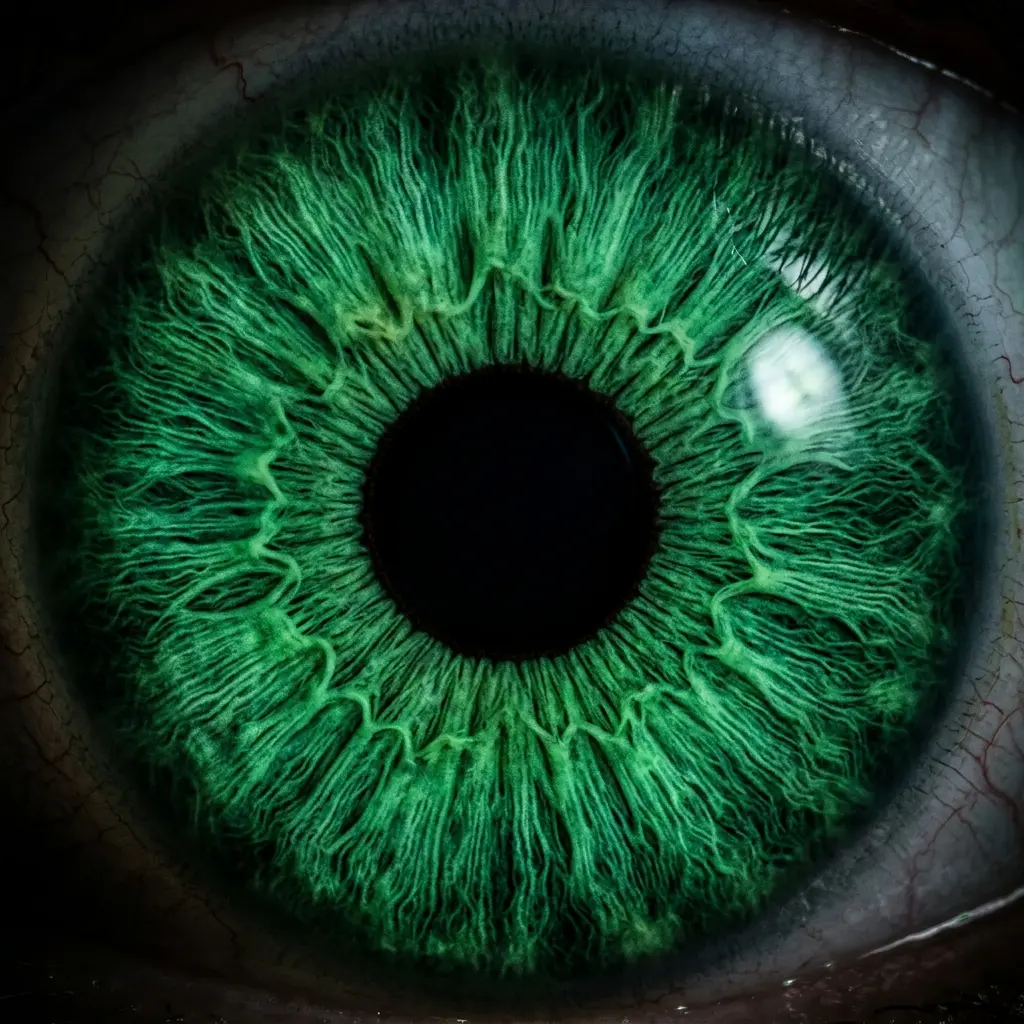
Iridology does not replace laboratory tests and clinical diagnostics, but complements them. It allows for an evaluation of the body's functional state, interconnections between systems, and the specifics of regulatory processes.
The analysis of cause-and-effect relationships is the foundation of effective correction. By evaluating the interaction between different systems, iridology helps identify possible mechanisms behind the symptoms and builds a holistic picture of the body's functional state.
Identifying organs and systems under high functional load.
Explaining the mechanisms behind the condition's development and the connections between biological processes.
Explaining how functional disruptions may manifest at the symptom level.
Based on the diagnostics — an individualized phytotherapy program and dietary recommendations.
Remote diagnostics based on high-quality macro photos of the eye, accompanied by step-by-step shooting instructions.
A detailed report with results and a personalized action plan.
The process is designed to shape an objective picture of your body's condition and explain the mechanisms behind any disruptions.
High-quality macro photo of both eyes according to shooting standards. This is the foundation for further analysis — free of distortion or loss of details.
A study of the structure, density, pigmentation, and local changes. Functional loads on organs and systems, as well as weak links in regulation, are identified.
Based on the identified changes, we explain: which processes are disrupted, how they are interconnected, and what causes the current state. A holistic picture of body function is provided, rather than isolated symptoms.
Each identified disruption is explained on a practical level: how it usually manifests in well-being, physiological responses, as well as behavioral and psycho-emotional patterns.
Based on the identified mechanisms, a program is developed: supporting weak systems, correcting disrupted processes, and reducing functional load. The program is built from the root causes, not just the symptoms.